
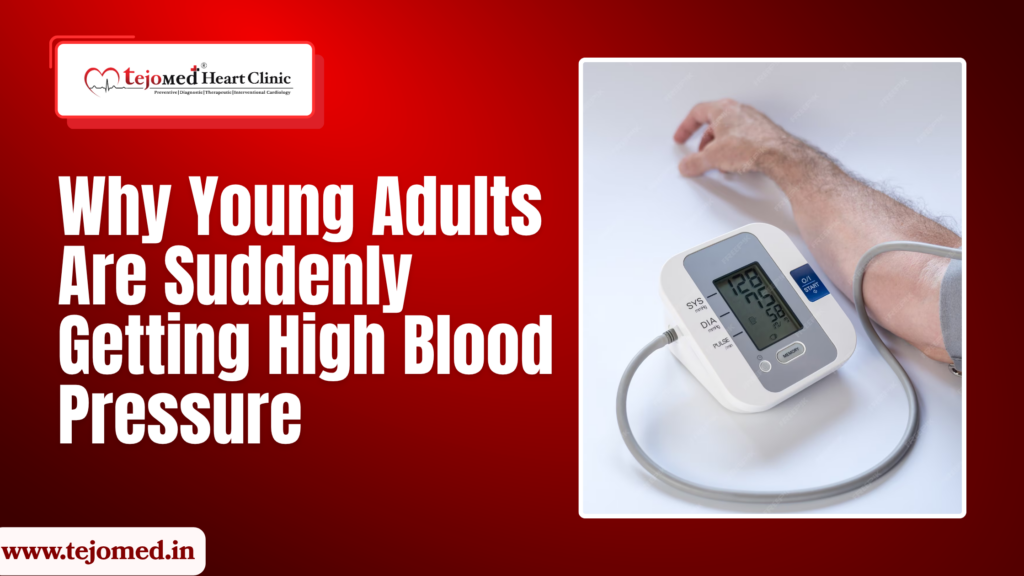
High blood pressure is no longer a condition seen only in older adults. Doctors now diagnose hypertension in people as young as their 20s and early 30s. This shift is not just surprising; it is concerning. Many young adults assume they are healthy because they feel fine. But high blood pressure often develops silently, without clear symptoms. By the time it shows visible effects, it may have already started damaging the heart and blood vessels.
If you understand what is causing this rise, you can take control early and protect your long-term health.
What Exactly Is High Blood Pressure?
Blood pressure measures the force of blood pushing against the walls of your arteries. When this pressure stays consistently high, it puts strain on your heart and blood vessels.
Over time, this leads to:
- Thickened arteries
- Reduced blood flow
- Increased risk of heart attack and stroke
The dangerous part is that hypertension does not always cause noticeable symptoms. That is why many young people remain undiagnosed for years.
Why Is This Happening in Young Adults?
Let’s break down the real reasons behind this growing problem.
1. Sedentary Lifestyle Is the New Normal
Today’s lifestyle involves long hours of sitting. Whether it’s office work, studying, or using mobile devices, movement has reduced significantly.
How this affects your body:
When you stay inactive for long periods:
- Your blood circulation slows down
- Your heart does not get enough stimulation to stay strong
- Fat starts accumulating, especially around the abdomen
This creates a chain reaction. Reduced activity leads to weight gain, and weight gain increases blood pressure.
Even people who go to the gym for an hour but sit the rest of the day may still face this risk. The body needs consistent movement throughout the day, not just short bursts of exercise.
2. Chronic Stress Is Constant and Unmanaged
Stress today is not occasional; it is continuous. Work pressure, deadlines, financial concerns, and even social comparison through digital platforms keep the mind in a constant state of alert.
What happens inside your body:
- Stress hormones like cortisol increase
- Your heart rate goes up
- Blood vessels tighten
If this continues daily, your blood pressure stays elevated for long periods.
Many young adults normalize stress and ignore it. Over time, unmanaged stress becomes one of the biggest contributors to hypertension.
3. Diet Has Become a Major Risk Factor
Food habits have changed drastically. Fast food, packaged snacks, and restaurant meals have become a regular part of life.
Why this is harmful:
- Processed foods contain high sodium
- Excess salt leads to water retention
- More fluid in the body increases pressure on the arteries
In addition, unhealthy fats increase cholesterol levels, which can further narrow blood vessels.
Even if you feel full and satisfied, your body may still be under strain due to poor-quality nutrition.
4. Sleep Deprivation Is Common
Many young adults compromise on sleep for work, entertainment, or social media.
Why sleep matters:
During sleep:
- Your heart rate slows down
- Blood pressure naturally reduces
- The body repairs itself
When you do not get enough rest:
- Blood pressure stays elevated
- Stress levels increase
- Hormonal imbalance occurs
Regularly sleeping less than 6 hours puts you at a significantly higher risk of hypertension.
5. Screen Time Is Affecting Your Heart
Increased use of phones, laptops, and TVs impacts both mental and physical health.
Effects of excessive screen time:
- Reduces physical activity
- Disturbs sleep cycles
- Increases stress and anxiety
Late-night scrolling is especially harmful because it delays sleep and keeps your brain active when it should be resting.
6. Smoking and Alcohol Are Still Major Triggers
Many young adults turn to smoking or alcohol as a way to relax or socialize.
How they impact blood pressure:
- Smoking damages blood vessel walls
- It reduces oxygen supply to the heart
- Alcohol increases heart rate and BP levels
Even occasional use can become harmful when combined with stress and poor lifestyle habits.
7. Obesity Is Rising Rapidly
Weight gain is no longer limited to middle age. Many young adults are now overweight due to inactivity and a poor diet.
Why weight matters:
- Extra weight forces the heart to pump harder
- Fat around organs affects blood pressure regulation
- It increases the risk of both hypertension and diabetes
Even a 5–10 kg increase can make a noticeable difference in blood pressure levels.
8. Early Diabetes and Metabolic Issues
Another major reason is the early onset of diabetes and related conditions.
When blood sugar levels remain high:
- Blood vessels get damaged
- The heart faces additional strain
- The risk of hypertension increases
This combination is especially dangerous. That is why timely care and proper Hypertension & Diabetes Management Treatment in Baner, Pune can help reduce long-term complications.
Signs You Should Not Ignore
Although hypertension is often silent, some people experience warning signs such as:
- Frequent headaches
- Dizziness or lightheadedness
- Fatigue without reason
- Shortness of breath
- Occasional chest discomfort
Do not rely only on symptoms. Regular checkups are the best way to detect high blood pressure early.
Why Early Action Is Important
Ignoring high blood pressure at a young age can lead to serious health issues later.
Long-term risks include:
- Heart disease
- Stroke
- Kidney damage
- Vision problems
The earlier you act, the easier it becomes to control and even reverse the condition.
Practical Steps to Prevent High Blood Pressure
The good news is that small lifestyle changes can make a big difference.
1. Stay Active Throughout the Day
Do not depend only on gym workouts.
Instead:
- Take short walking breaks every hour
- Use stairs instead of elevators
- Stretch regularly
These small habits keep your blood circulation active.
2. Improve Your Daily Diet
Focus on simple, home-style meals.
Make sure you:
- Reduce salt intake
- Avoid processed and packaged foods
- Include fruits, vegetables, and whole grains
Consistency matters more than strict dieting.
3. Learn to Manage Stress
You cannot eliminate stress, but you can control how you respond to it.
Try:
- Deep breathing exercises
- Meditation
- Taking breaks during work
Even 10–15 minutes daily can help reduce stress levels.
4. Fix Your Sleep Routine
Create a healthy sleep pattern.
- Sleep at the same time every day
- Avoid screens before bedtime
- Aim for at least 7 hours of sleep
Quality sleep directly supports heart health.
5. Monitor Your Blood Pressure Regularly
Do not wait for symptoms.
- Check your BP periodically
- Track your readings
- Consult a doctor if levels stay high
If you are searching for a Heart Specialist near me in Baner, choose someone who focuses on preventive care as well.
When Should You Consult a Doctor?
You should seek medical advice if:
- Your BP readings are consistently high
- You have a family history of hypertension
- You experience symptoms like chest pain or breathlessness
A trusted heart clinic can help you identify the root cause and guide you toward the right treatment plan.
Role of a Specialist in Long-Term Care
Managing high blood pressure is not just about medication. It requires a long-term approach.
A qualified heart expert will:
- Assess your overall health
- Identify lifestyle-related triggers
- Suggest practical changes
- Monitor your progress over time
Early consultation can prevent major complications in the future.
Final Thoughts
High blood pressure in young adults is becoming increasingly common, but it is also highly preventable. Your daily habits play a major role in your heart health. Small, consistent improvements in activity, diet, sleep, and stress management can protect you from serious problems later.
Start early, stay aware, and take control of your health before it becomes a concern.
Frequently Asked Questions (FAQs)
1. Why are young adults getting high blood pressure nowadays?
Young adults are experiencing high blood pressure mainly due to sedentary lifestyles, high stress, poor diet, lack of sleep, and increased screen time. These factors combine and gradually increase blood pressure levels without obvious symptoms.
2. When should I visit a Heart Specialist near me in Baner for high blood pressure?
You should consult a doctor if your blood pressure readings stay high or if you experience symptoms like headaches, dizziness, or chest discomfort. Early consultation helps prevent long-term complications.
3. Can high blood pressure in young adults be reversed?
Yes, in many cases, young adults can control or even reverse high blood pressure through lifestyle changes like regular exercise, healthy eating, stress management, and proper sleep.
4. Do I need treatment for both hypertension and diabetes together?
If you have both conditions, managing them together is very important. Proper Hypertension & Diabetes Management Treatment in Baner can reduce the risk of heart disease and other complications.
5. Where should I go for proper diagnosis and care?
You should visit a trusted heart clinic where doctors can evaluate your condition, monitor your blood pressure, and guide you with the right treatment plan.