
Vitiligo: Causes, Symptoms & Effective Treatment Options in Baner
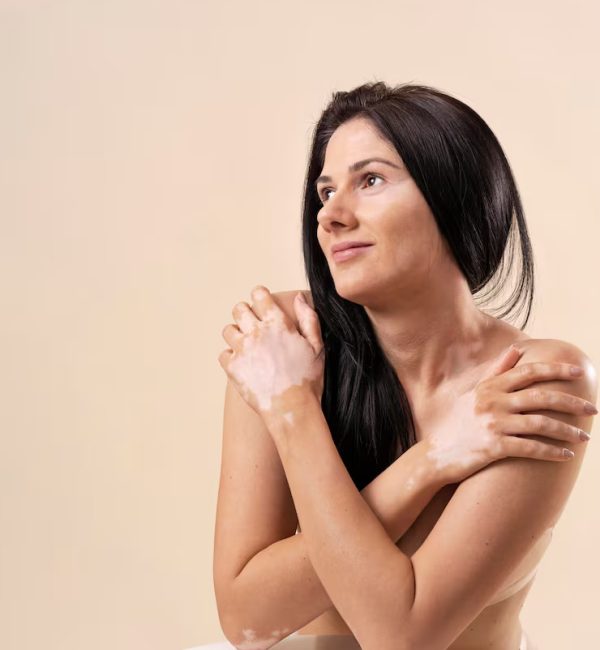
Vitiligo is a long-term skin condition that causes loss of natural skin color in certain areas. It appears as white patches on different parts of the body and can affect people of any age. These patches may start small and gradually increase in size or number over time.Although vitiligo does not cause physical pain or infection, it can affect a person’s confidence and emotional well-being. Many people feel conscious about visible skin changes, especially when patches appear on exposed areas like the face or hands. With proper care, awareness, and timely treatment, the condition can be managed effectively.
What is Vitiligo?
Vitiligo occurs when melanocytes, the cells responsible for producing skin pigment, stop working or are destroyed. This leads to loss of melanin, which gives color to the skin, hair, and eyes.
To understand it simply:
- Healthy skin has evenly distributed pigment
- In vitiligo, pigment is lost in patches
- These patches appear white and may grow over time
Vitiligo can affect any area of the body, including:
- Face and lips
- Hands and fingers
- Arms and legs
- Around the eyes
- Genital areas
In some cases, hair in affected areas may also turn white due to loss of pigment.
Types of Vitiligo
Non-segmental Vitiligo
This is the most common type. White patches appear on both sides of the body in a symmetrical pattern. It often progresses slowly and may continue over time.
Segmental Vitiligo
This type affects only one side or one part of the body. It usually develops at a younger age and stabilizes after a certain period.
Focal Vitiligo
In this type, patches are limited to one or a few areas and do not spread widely.
Universal Vitiligo
A rare form where most of the skin loses pigment. It requires careful long-term management.
Causes of Vitiligo
The exact cause of vitiligo is not fully known, but several factors are involved. These factors either trigger or worsen the condition.
- Autoimmune response:
The immune system mistakenly attacks pigment-producing cells, leading to their destruction. - Genetic factors:
People with a family history of vitiligo or autoimmune diseases have a higher chance of developing it. - Stress:
Emotional or physical stress may trigger the onset or spread of patches. - Skin injury:
Cuts, burns, or friction can lead to new patches forming in those areas. This is known as the Koebner phenomenon. - Chemical exposure:
Certain chemicals found in cosmetics or workplace materials may affect melanocytes.
Understanding these causes helps in avoiding triggers and managing the condition better.
Common Symptoms of Vitiligo
Vitiligo mainly affects the color of the skin, but it can show other signs as well.
- White patches on skin:
The most noticeable symptom. These patches may increase in size over time. - Premature whitening of hair:
Hair on the scalp, eyebrows, eyelashes, or beard may turn white. - Loss of color in mucous membranes:
Areas like the inside of the mouth or nose may also lose pigment. - Symmetrical or localized spread:
Depending on the type, patches may appear on both sides or remain limited.
The condition usually does not cause itching or pain, but changes in appearance can be noticeable.

Treatment Options for Vitiligo
Treatment focuses on restoring skin color and stopping further spread. The approach depends on how extensive and active the condition is.
- Creams are applied directly to the affected areas
- They help reduce inflammation and stimulate pigment production
- Best suited for small and early patches
- Controlled exposure to ultraviolet light stimulates melanocytes
- Helps in the repigmentation of affected areas
- Usually requires multiple sessions for visible results
- Prescribed in certain cases to control immune system activity
- Helps slow down progression
- Suitable for stable vitiligo where patches are not spreading
- Includes skin grafting or melanocyte transfer
- Helps restore pigment in selected areas
- Use of skin-matching creams or makeup
- Helps cover patches and improve appearance temporarily
Consulting a skin expert in baner ensures that treatment is customized based on your skin condition and response.
Daily Care and Management Tips
Daily care plays an important role in managing vitiligo and protecting the skin.
- Use sunscreen regularly:
Protects depigmented skin from sunburn and prevents contrast with normal skin - Moisturize the skin:
Keeps skin healthy and reduces dryness - Avoid harsh products:
Prevents irritation and further damage - Manage stress:
Helps reduce flare-ups - Eat a balanced diet:
Supports overall skin health - Protect from injury:
Avoid cuts, burns, or friction that may trigger new patches
Consistency in these habits helps maintain skin health and supports treatment.
Book Your Laser Consultation Today
Whether you're looking to remove stubborn hair, erase scars, or rejuvenate your skin, our advanced laser skin treatments in Baner Pune offer safe and effective solutions. Book an appointment at Tejomed Clinic today and let our expert team guide you to healthy, flawless skin.
Book An AppointmentFAQs on Vitiligo
No, vitiligo is not physically harmful, but it can affect appearance and emotional well-being.
In some cases, it may spread, but the extent varies from person to person.
Treatment is not mandatory but helps improve appearance and control progression.
Yes, with proper treatment, some patches may regain pigment partially or completely.
It mainly affects skin and hair color but does not damage internal organs.
When Should You See a Doctor?
You should consult a dermatologist or skin specialist if:
- White patches appear suddenly
- Existing patches increase in size
- There is a rapid spread of the condition
- It affects your confidence or daily routine
- You want to explore treatment options early
Early consultation improves the chances of better results and helps in controlling the condition effectively.
Conclusion
Vitiligo is a manageable condition that mainly affects skin color. Understanding its causes, symptoms, and treatment options helps in taking the right steps early. With consistent care, proper treatment, and expert guidance, it is possible to control its progression and improve skin appearance.
If you are considering Vitiligo treatment in Baner, timely consultation and a personalized approach can help you achieve better skin health and confidence.