
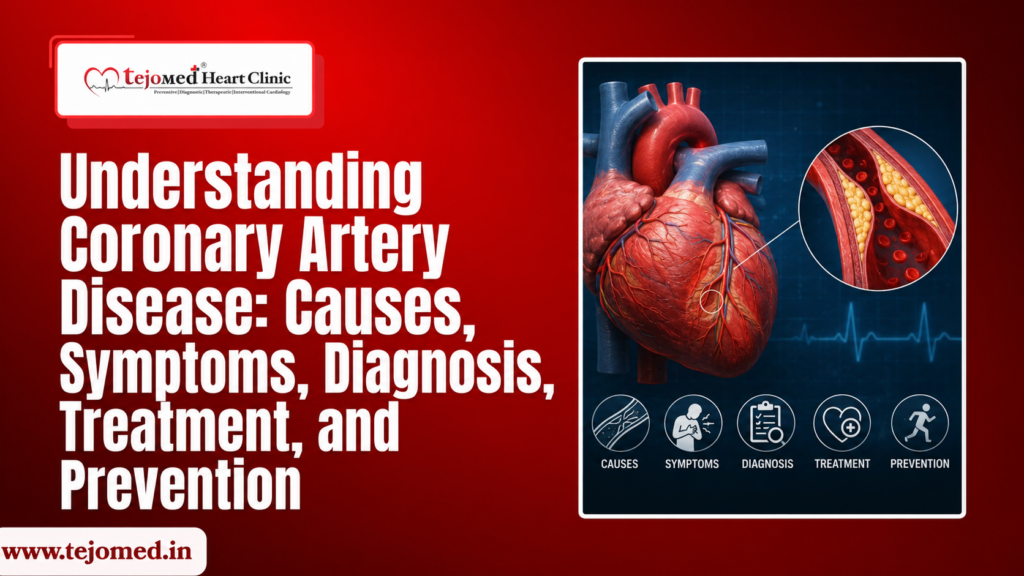
Heart disease remains one of the leading health concerns across the world, affecting millions of people every year. Among the various cardiovascular conditions, Coronary Artery Disease (CAD) is the most common and one of the most serious. It develops gradually over time and often goes unnoticed until symptoms become severe or a heart attack occurs. The good news is that early diagnosis, timely treatment, and healthy lifestyle choices can significantly reduce the risk of complications. This comprehensive guide explains everything you need to know about Coronary Artery Disease, including its causes, symptoms, risk factors, diagnosis, treatment options, and preventive measures.
What Is Coronary Artery Disease?
Coronary Artery Disease is a condition in which the coronary arteries become narrowed or blocked due to the accumulation of fatty deposits known as plaque. These arteries are responsible for supplying oxygen-rich blood and nutrients to the heart muscle. When plaque builds up along the artery walls, the blood vessels become stiff and narrow, reducing blood flow to the heart.
This process is known as atherosclerosis. It usually develops over many years without obvious symptoms. As the narrowing worsens, the heart receives less oxygen, especially during physical activity or emotional stress. If a plaque ruptures and forms a blood clot, it can completely block blood flow, leading to a heart attack. Understanding this condition is essential because many people have risk factors without realizing that their heart health is already being affected.
What Causes Coronary Artery Disease?
Coronary Artery Disease develops due to damage to the inner lining of the arteries. Over time, cholesterol, fat, calcium, and other substances collect on the damaged artery walls, forming plaque. Several factors contribute to this process, including:
- High levels of LDL (bad) cholesterol
- High blood pressure
- Diabetes
- Obesity
- Lack of regular physical activity
- Diets rich in saturated fats, processed foods, and excess salt
- Chronic stress
- Family history of heart disease
- Advancing age
While age and genetics cannot be changed, many other risk factors can be controlled through healthy lifestyle habits and regular medical care. Seeking guidance from the Best Cardiologist in Baner Pune can also help identify individual risk factors early and create a personalized plan to reduce the chances of developing coronary artery disease.
Who Is at Greater Risk?
Although anyone can develop Coronary Artery Disease, certain individuals have a higher likelihood of developing the condition. People at increased risk include:
- Adults above the age of 40
- Individuals with high blood pressure
- People living with diabetes
- Those with elevated cholesterol levels
- Overweight or obese individuals
- People with a sedentary lifestyle
- Individuals with a family history of premature heart disease
- Patients experiencing chronic stress or poor sleep
Having multiple risk factors further increases the chances of developing coronary artery disease.
Symptoms of Coronary Artery Disease
One of the challenges with CAD is that symptoms often appear only after significant narrowing of the arteries. In some cases, the first sign may unfortunately be a heart attack. Common symptoms include:
Chest Pain (Angina)
The most common symptom is chest discomfort or pressure that may feel like tightness, heaviness, squeezing, or burning. It often occurs during physical activity or emotional stress and usually improves with rest.
Shortness of Breath
Reduced blood flow limits the heart’s ability to pump efficiently, causing breathlessness during routine activities or exercise.
Fatigue
Persistent tiredness, especially while performing daily tasks, may indicate that the heart is not receiving adequate oxygen.
Pain in Other Areas
Pain or discomfort may spread to the arms, shoulders, neck, jaw, or upper back. Some individuals experience pain in only these areas without noticeable chest pain.
Dizziness or Lightheadedness
Poor blood circulation can lead to dizziness, fainting, or feelings of weakness.
Irregular Heartbeat
Some patients experience palpitations or an abnormal heartbeat due to reduced blood supply to the heart muscle.
Heart Attack Symptoms
If a coronary artery becomes completely blocked, symptoms may include:
- Severe chest pain lasting more than a few minutes
- Pain radiating to the left arm or jaw
- Difficulty breathing
- Cold sweating
- Nausea or vomiting
- Sudden weakness
A heart attack requires immediate emergency medical attention. Consulting a qualified Heart Specialist in Baner, Pune without delay can help ensure timely diagnosis and treatment, reducing the risk of permanent heart damage.
How Is Coronary Artery Disease Diagnosed?
Early diagnosis plays a vital role in preventing serious complications. A cardiologist evaluates symptoms, medical history, family history, and lifestyle before recommending diagnostic tests. Common investigations include:
Electrocardiogram (ECG)
An ECG records the heart’s electrical activity and helps identify abnormal heart rhythms, previous heart attacks, or signs of reduced blood supply.
Echocardiography (2D Echo)
This painless ultrasound test evaluates heart chambers, valves, pumping strength, and overall heart function.
Treadmill Stress Test (TMT)
During this test, the patient walks on a treadmill while heart activity is monitored. It helps detect reduced blood flow that may not be visible at rest.
Blood Tests
Blood investigations measure cholesterol, triglycerides, blood sugar, kidney function, and markers that indicate heart muscle injury.
CT Coronary Angiography
Advanced CT imaging provides detailed pictures of the coronary arteries and can detect narrowing or plaque buildup.
Coronary Angiography
This remains the gold standard for diagnosing coronary artery blockages. A thin catheter is inserted through an artery, and contrast dye is injected to clearly visualize blood flow within the coronary arteries.
Treatment Options
Treatment depends on the severity of the disease, symptoms, and the patient’s overall health. The primary goals are to improve blood flow, relieve symptoms, prevent heart attacks, and enhance quality of life.
Lifestyle Modification
Lifestyle improvement forms the foundation of coronary artery disease management. Doctors commonly recommend:
- Following a heart-healthy diet
- Regular physical exercise
- Maintaining a healthy body weight
- Managing stress effectively
- Sleeping 7 to 8 hours every night
- Controlling diabetes, cholesterol, and blood pressure
These changes not only slow disease progression but also improve overall cardiovascular health.
Medications
Many patients successfully manage coronary artery disease with medications. Common medicines include:
- Cholesterol-lowering drugs (Statins)
- Blood pressure medications
- Blood thinners
- Antiplatelet medicines
- Medicines that reduce chest pain
- Diabetes medications when required
Patients should never discontinue prescribed medications without consulting their doctor.
Coronary Angioplasty and Stenting
When arteries become significantly narrowed, angioplasty may be recommended. During this minimally invasive procedure, a balloon catheter opens the blocked artery, and a metal mesh stent is placed to keep the artery open and restore normal blood flow. Recovery is generally quicker than open-heart surgery. Depending on the severity of arterial blockage and the patient’s overall condition, Coronary Artery Disease Treatment in Baner may include lifestyle counselling, medications, angioplasty, or bypass surgery to restore healthy blood circulation and improve long-term heart function.
Coronary Artery Bypass Surgery (CABG)
Patients with severe or multiple blockages may require bypass surgery. Surgeons create alternative pathways for blood to reach the heart muscle using healthy blood vessels taken from other parts of the body. CABG is often recommended when multiple arteries are affected or angioplasty is not suitable.
Can Coronary Artery Disease Be Prevented?
Yes. Although genetics cannot be changed, most modifiable risk factors can be controlled through healthy living. Effective prevention strategies include:
- Eat a balanced diet rich in vegetables, fruits, whole grains, legumes, and lean proteins.
- Reduce saturated fats, trans fats, sugary foods, and processed meals.
- Exercise for at least 150 minutes every week.
- Maintain a healthy body weight.
- Monitor blood pressure regularly.
- Keep cholesterol and blood sugar under control.
- Avoid tobacco in every form.
- Learn healthy stress-management techniques such as yoga, meditation, or deep breathing.
- Get routine health screenings, particularly after the age of 40.
Prevention is far easier and less costly than treating advanced heart disease.
Why Regular Heart Check-Ups Matter
Many people with coronary artery disease feel perfectly healthy during its early stages. Routine cardiac evaluations help identify risk factors before symptoms develop. A regular heart check-up may include:
- Blood pressure monitoring
- Lipid profile
- Blood sugar testing
- ECG
- Echocardiography
- Stress testing when necessary
Early detection allows timely treatment, reducing the risk of heart attacks and long-term complications.
When Should You Consult a Cardiologist?
You should seek medical evaluation if you experience:
- Chest discomfort during activity
- Shortness of breath
- Persistent fatigue
- Uncontrolled blood pressure
- High cholesterol
- Diabetes
- Family history of heart disease
- Palpitations
- Dizziness or fainting
Ignoring these symptoms can delay diagnosis and increase the risk of serious complications. Consulting a cardiologist at the right time ensures a thorough evaluation and appropriate treatment plan based on your individual heart health needs.
Conclusion
Coronary Artery Disease is a progressive condition that develops over time, but it does not have to result in life-threatening complications. Understanding the disease, recognizing its early warning signs, managing risk factors, and undergoing regular health screenings are the most effective ways to protect your heart. Adopting healthy habits such as eating a nutritious diet, staying physically active, avoiding tobacco, controlling blood pressure and cholesterol, and seeking timely medical advice can dramatically reduce the risk of heart attacks and improve overall quality of life.
Remember, your heart works tirelessly every day. Taking care of it through prevention, early diagnosis, and appropriate treatment is one of the most valuable investments you can make in your long-term health.
FAQ'S
1. What is the main cause of Coronary Artery Disease?
The primary cause of Coronary Artery Disease is the buildup of fatty deposits, known as plaque, inside the coronary arteries. This process, called atherosclerosis, narrows the arteries and reduces blood flow to the heart. Factors such as high cholesterol, high blood pressure, diabetes, smoking, obesity, and an unhealthy lifestyle can increase the risk of developing the condition.
2. What are the early warning signs of Coronary Artery Disease?
Early symptoms may include chest pain or discomfort (angina), shortness of breath, unusual fatigue, dizziness, and pain that spreads to the arms, neck, jaw, or back. Some people may not experience noticeable symptoms until the disease becomes advanced, making regular heart check-ups essential for early detection.
3. Can Coronary Artery Disease be prevented?
Yes. Although factors like age and family history cannot be changed, adopting a healthy lifestyle can significantly reduce the risk. Eating a balanced diet, exercising regularly, maintaining a healthy weight, controlling blood pressure and cholesterol, avoiding tobacco, and managing diabetes are all effective ways to help prevent Coronary Artery Disease.
4. Is Coronary Artery Disease curable?
Coronary Artery Disease is generally a long-term condition, but it can be effectively managed with lifestyle changes, medications, and medical procedures such as angioplasty or bypass surgery when needed. Early diagnosis and proper treatment help control symptoms, slow disease progression, and lower the risk of heart attacks.
5. When should I see a cardiologist for heart-related symptoms?
You should consult a cardiologist if you experience persistent chest pain, shortness of breath, unexplained fatigue, irregular heartbeat, dizziness, or if you have risk factors such as high blood pressure, diabetes, high cholesterol, obesity, or a family history of heart disease. Seeking medical advice early can help detect heart problems before they become serious.