
Psoriasis Treatment
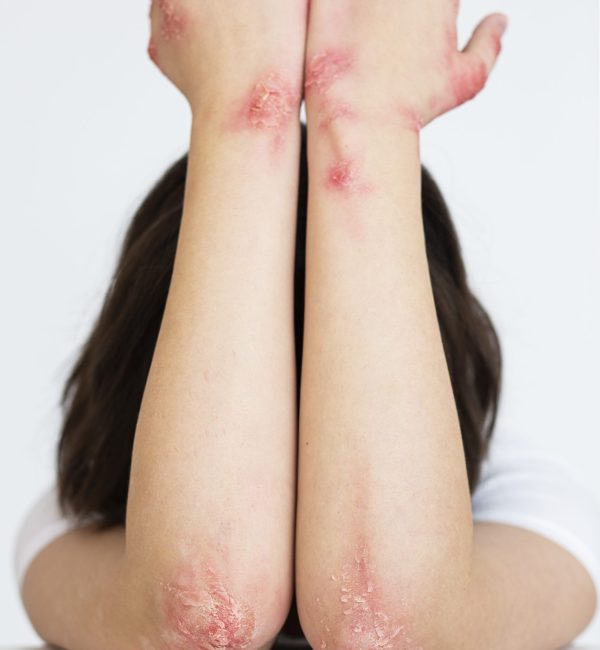
Psoriasis is a chronic skin condition that affects the way skin cells grow and renew. It leads to the formation of thick, scaly patches on the skin that may appear red, itchy, and sometimes painful.
Psoriasis Treatment: Causes, Symptoms, Types & Advanced Care Options in baner
Psoriasis is a chronic skin condition that affects the way skin cells grow and renew. It leads to the formation of thick, scaly patches on the skin that may appear red, itchy, and sometimes painful. This condition can affect people of all age groups and often goes through cycles of flare-ups and remission.Living with psoriasis can be physically uncomfortable and emotionally challenging. The visible nature of the condition can impact confidence and daily life. However, with the right understanding and proper medical care, psoriasis can be effectively managed. Early diagnosis and a personalized treatment plan are important for controlling symptoms and improving skin health.
What is Psoriasis?
Psoriasis is an autoimmune condition where the body’s immune system speeds up the life cycle of skin cells. Normally, skin cells take weeks to regenerate, but in psoriasis, this process happens in just a few days. As a result, skin cells build up on the surface, forming thick, scaly patches. These patches, also known as plaques, can vary in size and severity. They are commonly seen on the elbows, knees, scalp, and lower back, but can appear anywhere on the body.
Types of Psoriasis
Understanding the different types of psoriasis helps in identifying the condition and choosing the right treatment.
- Plaque Psoriasis: The most common type, characterized by raised, red patches covered with silvery-white scales.
- Guttate Psoriasis: Appears as small, drop-shaped spots, often triggered by infections.
- Scalp Psoriasis: Affects the scalp, causing itching, flaking, and sometimes hair fall.
- Inverse Psoriasis: Occurs in skin folds such as underarms, groin, and under the breasts. It appears as smooth, red patches without scales.
- Pustular Psoriasis: A rare type that causes white pustules surrounded by red skin.
- Nail Psoriasis: Affects fingernails and toenails, leading to discoloration, thickening, or pitting.
Each type may require a slightly different approach to treatment.
Causes of Psoriasis
The exact cause of psoriasis is not fully understood, but it is linked to the immune system and genetic factors. Several triggers can worsen or initiate flare-ups:
- Genetics: Family history increases the risk of developing psoriasis.
- Immune system dysfunction: The immune system mistakenly attacks healthy skin cells.
- Infections: Bacterial or viral infections can trigger certain types of psoriasis.
- Stress: Emotional stress is a known trigger for flare-ups.
- Skin injury: Cuts, burns, or insect bites may lead to new patches.
- Weather conditions: Cold and dry weather can worsen symptoms.
- Certain medications: Some drugs may trigger or aggravate psoriasis.
Identifying and avoiding triggers can help in managing the condition more effectively.
Common Symptoms of Psoriasis
Symptoms of psoriasis can vary depending on the type and severity, but common signs include:
- Red patches of skin covered with thick, silvery scales
- Dry, cracked skin that may bleed
- Itching, burning, or soreness
- Thickened or ridged nails
- Flaking skin, especially on the scalp
- Joint pain in some cases (psoriatic arthritis)
Symptoms may come and go, with periods of flare-ups followed by times when the skin appears normal.
FAQs on Psoriasis
Psoriasis is a chronic condition and cannot be completely cured, but it can be effectively managed with proper treatment and care.
No, psoriasis is not contagious. It does not spread through touch or contact.
Common triggers include stress, infections, weather changes, and certain medications.
Treatment duration varies depending on severity. Some patients see improvement within weeks, while others require long-term management.
Yes, maintaining a healthy lifestyle, managing stress, and following proper skincare can significantly reduce flare-ups.
Daily Care Tips for Psoriasis Patients
Managing psoriasis requires consistent care and attention. Here are some simple tips:
- Use gentle, fragrance-free skincare products
- Avoid scratching or picking at the skin
- Take short, lukewarm showers instead of hot baths
- Apply moisturizer immediately after bathing
- Wear soft, comfortable clothing
- Protect your skin from injury and irritation
Book Your Laser Consultation Today
Whether you're looking to remove stubborn hair, erase scars, or rejuvenate your skin, our advanced laser skin treatments in Baner Pune offer safe and effective solutions. Book an appointment at Tejomed Clinic today and let our expert team guide you to healthy, flawless skin.
Book An AppointmentDaily Care Tips for Psoriasis Patients
Managing psoriasis requires consistent care and attention. Here are some simple tips:
These are applied directly to the skin and are often the first line of treatment:
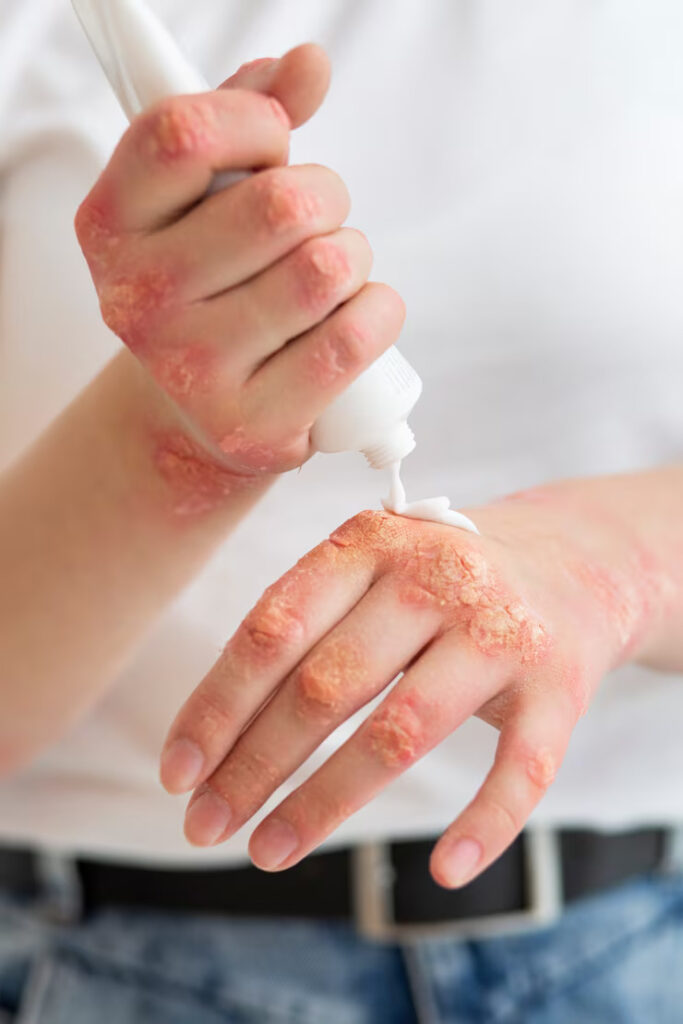
- Medicated creams and ointments reduce inflammation and scaling
- Moisturizers help keep the skin hydrated and reduce dryness
- Prescription lotions help manage mild to moderate cases
Light therapy involves controlled exposure to ultraviolet (UV) light under medical supervision. It helps slow down excessive skin cell growth and reduces inflammation.
In moderate to severe cases, oral medications may be prescribed to control immune system activity and reduce symptoms.
Along with medical treatment, lifestyle changes play a key role:
- Keeping the skin moisturized
- Managing stress effectively
- Avoiding known triggers
- Following a healthy diet
- Maintaining proper hygiene
Consulting a Dermatologist in Baner ensures a personalized treatment plan based on your skin type, severity, and medical history.
Most treatments require little to no recovery time. You can return to your normal routine quickly.
When Should You See a Doctor?
It is important to seek medical advice if:
- Use gentle, fragrance-free skincare products
- Avoid scratching or picking at the skin
- Take short, lukewarm showers instead of hot baths
- Apply moisturizer immediately after bathing
- Wear soft, comfortable clothing
- Protect your skin from injury and irritation
These habits help reduce flare-ups and improve overall skin condition.