
If your doctor has advised an angiography, it’s natural to feel concerned about pain, safety, and recovery. Many patients searching for the Best Cardiologist in Baner or a trusted Heart Specialist often come across this test while exploring options for accurate diagnosis and treatment. Whether you are considering Angiography or simply trying to understand the procedure better, this guide will help you make a clear and confident decision.
Understanding Angiography in Simple Terms
Angiography is a diagnostic procedure that allows doctors to examine the condition of the heart’s blood vessels. It helps identify blockages, narrowing, or reduced blood flow that may lead to serious conditions like heart attacks.
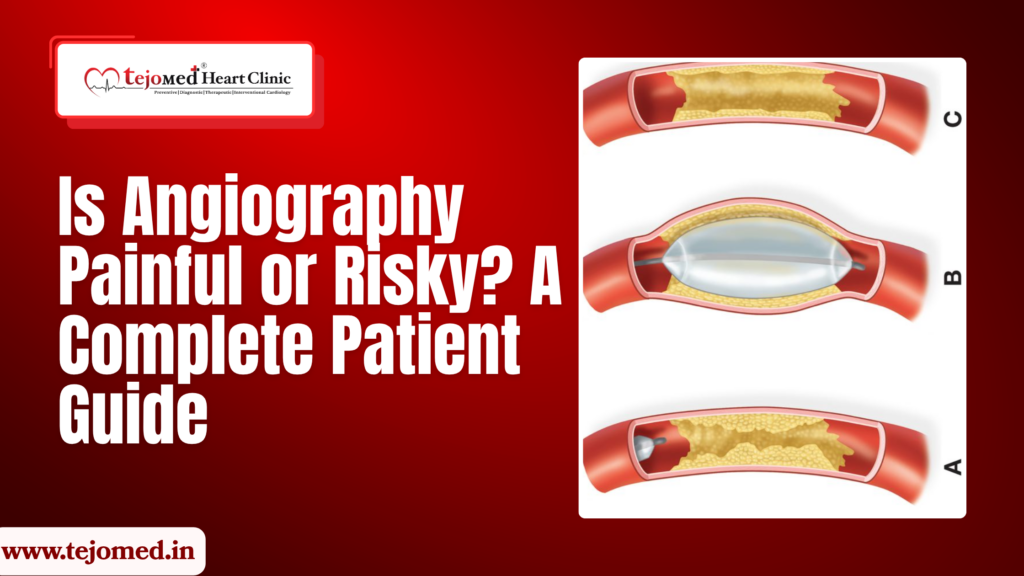
During the procedure, the doctor inserts a thin, flexible tube called a catheter into a blood vessel, usually through the wrist or groin. The catheter travels to the heart, and a contrast dye is injected. This dye makes the arteries visible on X-ray images.
Doctors rely on this test when symptoms or previous reports suggest possible heart issues. It provides accurate and immediate insights that help guide further treatment.
Why Do Doctors Recommend Angiography?
A cardiologist may suggest angiography for several reasons:
- Persistent chest pain or discomfort
- Shortness of breath during routine activities
- Abnormal ECG, stress test, or 2D echo results
- High risk due to diabetes, high blood pressure, or family history
- Evaluation before or after heart procedures
In many cases, early detection through angiography prevents complications and helps doctors act quickly.
Is Angiography Painful?
This is one of the most common concerns, and the honest answer is reassuring.
Angiography is not a painful procedure. Doctors use local anesthesia to numb the area where they insert the catheter. You may feel a small needle prick at the beginning, similar to a routine injection. After that, the area becomes numb.
During the procedure:
- You might feel slight pressure as the catheter moves
- You may notice a warm sensation when the dye is injected
- You remain awake but relaxed throughout
Patients do not feel pain inside the arteries because there are no pain-sensitive nerves there.
How Long Does the Procedure Take?
A common question patients ask is: ” How long does angiography take?
The procedure usually takes between 20 and 40 minutes, while the total hospital stay may extend for a few hours, including preparation and observation.
Here’s a general timeline:
- Preparation: 30–60 minutes
- Procedure: 20–40 minutes
- Recovery observation: 4–6 hours
Most patients return home the same day unless additional treatment is needed.
Is Angiography Risky?
Angiography is a safe and routine procedure when performed by experienced specialists. Still, patients should understand the risks of the angiography test before proceeding.
Common and Minor Risks
- Slight bleeding at the insertion site
- Bruising or mild swelling
- Temporary discomfort
Rare but Serious Risks
- Allergic reaction to the contrast dye
- Infection
- Blood vessel injury
- Irregular heart rhythm
These complications are uncommon, especially when an experienced heart expert performs the procedure using proper precautions and advanced technology.
What Happens During the Procedure?
Understanding the steps can help reduce anxiety:
- You change into a hospital gown and lie comfortably on a procedure table
- The medical team monitors your vital signs continuously
- The doctor numbs the insertion site with local anesthesia
- A catheter is inserted and guided toward the heart
- Contrast dye is injected, and images are captured
- The catheter is removed, and pressure is applied to prevent bleeding
The process is smooth, controlled, and performed under expert supervision.
What to Expect After Angiography
Recovery is usually quick and uncomplicated.
Patients often worry about angiography recovery pain, but it is generally mild and limited to the area where the catheter was inserted.
Typical Recovery Experience:
- Mild soreness for 1–2 days
- Slight bruising
- Temporary fatigue
Recovery Tips:
- Drink plenty of water to flush out the dye
- Avoid heavy lifting for a few days
- Follow your doctor’s instructions carefully
Most individuals resume normal activities within 24 to 48 hours.
When Should You Not Delay Angiography?
You should not delay angiography if you experience:
- Persistent chest pain
- Shortness of breath
- Sudden fatigue
- Irregular heartbeat
Timely diagnosis can prevent serious complications like heart attacks and improve long-term health outcomes.
Importance of Choosing the Right Specialist
The safety and accuracy of angiography depend on the expertise of your doctor and the quality of the facility.
If you are exploring options for Angiography in Baner, always choose a center that offers modern technology, experienced specialists, and proper patient care. A qualified cardiologist ensures not only a precise diagnosis but also a smooth and comfortable experience.
Common Myths About Angiography
Myth 1: Angiography is very painful
Reality: It causes minimal discomfort and is well tolerated by most patients.
Myth 2: It is only needed for severe cases
Reality: Doctors use it for early detection as well.
Myth 3: Recovery takes a long time
Reality: Most patients recover quickly within a couple of days.
Myth 4: It is highly risky
Reality: Serious complications are rare with proper care.
Final Thoughts
Angiography is a reliable and effective diagnostic tool that helps detect heart problems early and guide the right treatment. It is not painful, and risks remain minimal when performed by experienced professionals.
If you are planning to consult the Best Cardiologist in Baner, do not let fear delay your decision. With the support of a skilled heart expert, you can undergo the procedure safely and take a proactive step toward better heart health.
Frequently Asked Questions (FAQs)
1. Is angiography painful for patients?
No, angiography is not painful. You may feel a slight prick and mild pressure, but the procedure remains comfortable.
2. How long does angiography take?
It usually takes about 20 to 40 minutes, though total hospital time may be longer due to preparation and recovery.
3. What are the risks of an angiography test?
The risks include minor bleeding, bruising, and rare complications like allergic reactions or infection.
4. How much angiography recovery pain should I expect?
You may experience mild soreness at the insertion site for a short period, which improves quickly.
5. Who should I consult for angiography?
You should consult an experienced cardiologist or heart expert to ensure safety and an accurate diagnosis.