
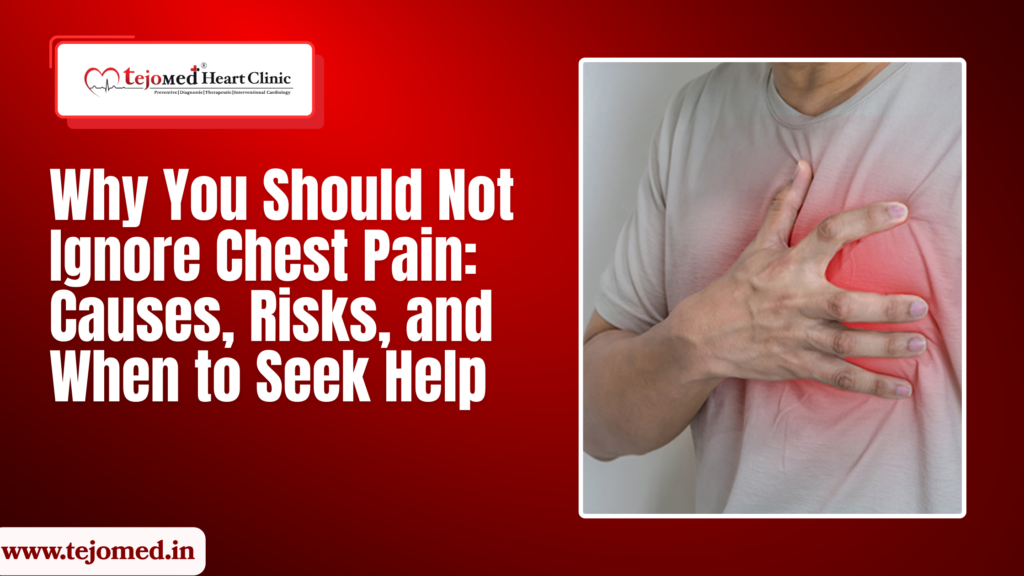
Chest pain is one of the most common symptoms that brings people to a clinic or hospital. Many ignore it, thinking it is acidity, muscle strain, or stress. But chest pain can sometimes be a sign of a serious heart problem. Understanding the reasons behind it and knowing when to seek help can protect you from major health risks.
If you ever experience chest discomfort, tightness, pressure, or pain that feels unusual, consulting a Heart Specialist is the safest step. Early attention helps detect problems before they turn into emergencies.
Why Chest Pain Matters
Chest pain is the body’s way of warning you that something may not be right. It can be linked to the heart, lungs, nerves, digestion, or even stress. Since it is difficult to identify the exact reason on your own, medical evaluation becomes essential.
Some types of pain may feel sharp, dull, burning, or tight. Some may travel to the arm, jaw, neck, or back. Each type of pain tells a story and should never be ignored.
Common Chest Pain Causes
Not all chest pain is cardiac, but heart-related pain is the most serious. Here are the most common chest pain:
- Heart Blockage
When arteries supplying blood to the heart become narrow or blocked, the heart does not get enough oxygen. This can cause angina or a heart attack. These symptoms of heart blockage often feel like pressure, heaviness, or squeezing in the chest. - Gastrointestinal Issues
Acidity, acid reflux, gas, or esophageal spasms can cause chest discomfort. This pain usually improves with digestive medicines. - Anxiety and Panic Attacks
Stress can cause rapid heartbeat, shortness of breath, and chest tightness. Although this pain is not caused by the heart, it still needs evaluation. - Lung Problems
Infections, inflammation, or clots in the lungs can cause sharp chest pain with difficulty breathing. - Muscle or Bone Strain
Strained muscles around the chest area can cause pain that worsens with movement or touch.
Since chest pain can come from many sources, only a medical expert can identify the true reason behind it.
Warning Signs of Chest Pain You Should Never Ignore
Some symptoms indicate that chest pain might be related to the heart. These warning signs of chest pain include:
- Pain that lasts more than a few minutes
- Pressure or tightness in the chest
- Pain spreading to the arm, jaw, or back
- Shortness of breath
- Sudden sweating
- Feeling faint or extremely weak
- Nausea along with chest discomfort
These are also common silent heart attack signs, especially in people with diabetes or older adults who may not experience classic symptoms.
Risks Linked with Ignoring Chest Pain
Delaying medical help can increase the risk of dangerous complications. These include:
Heart Attack: A complete blockage of heart arteries can cut off blood supply and damage the heart muscles.
Stroke: If your chest pain is linked to circulatory problems, the risk of stroke may also rise.
Worsening Blockages: Ignoring early cardiac chest discomfort gives blockages time to grow and restrict more blood flow.
Breathing Problems: If the pain is due to lung issues, delaying treatment can worsen infections or clots.
How Doctors Diagnose Chest Pain
To understand the cause, a heart specialist consultation may include tests such as:
- ECG to check electrical signals
- 2D Echo to assess heart function
- TMT or Stress Test
- Chest X-ray
- Blood tests for heart enzymes
- Angiography for blockages
These tools help with proper chest pain diagnosis so you get the right treatment in time.
When You Should Seek Help
You should visit a doctor immediately if:
- The pain feels like pressure or heaviness
- It occurs during activity or even at rest
- It keeps returning
- You have risk factors like diabetes, high BP, or family history of heart disease
If you experience such symptoms and stay near Baner or Pune, visiting the Best Cardiologist in Baner Pune gives you timely evaluation and care.
Final Thoughts
Chest pain should never be taken lightly. Even if the cause turns out to be minor, it is better to be safe. Timely evaluation helps detect heart disease warning signs early and reduces the risk of complications. If you experience unusual chest discomfort, do not wait for it to go away on its own. Listen to your body and seek expert help at the right time. Your heart depends on the choices you make today for a healthier tomorrow.