
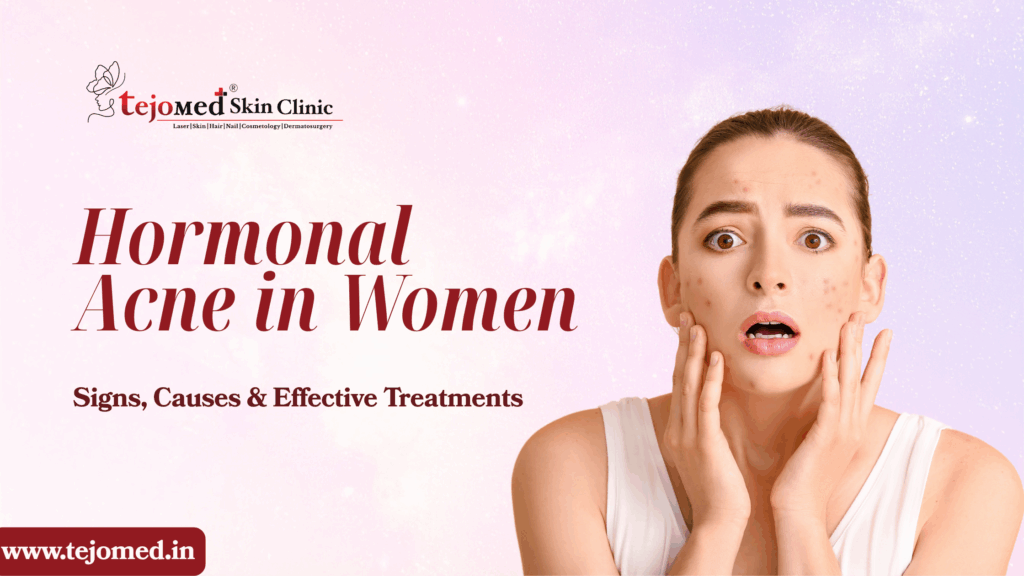
Hormonal Acne in Women: Signs, Causes & Effective Treatments
Are you tired of dealing with stubborn breakouts that seem to appear out of nowhere? If you’re a woman experiencing acne well into your thirties, or beyond, you might be dealing with hormonal acne. Understanding this common skin condition is the first step toward achieving clearer, healthier skin.
What is Hormonal Acne?
Hormonal acne is directly linked to fluctuations in your body’s hormone levels, particularly androgens like testosterone. Unlike teenage acne that typically affects the entire face, hormonal acne usually appears in specific areas and follows predictable patterns related to your menstrual cycle.
Key Signs of Hormonal Acne
Location Matters: Hormonal acne typically appears along the jawline, chin, and lower cheeks. You might also notice breakouts on your neck and sometimes on your back and chest.
Timing Patterns: These breakouts often worsen around your menstrual cycle, usually appearing 7-10 days before your period and improving once menstruation begins.
Deep, Painful Bumps: Unlike surface-level blackheads, hormonal acne often presents as deep, inflamed cysts that are tender to touch and take longer to heal.
Adult Onset: If you didn’t have severe acne as a teenager but started experiencing breakouts after 25 years of age or thirties, hormones are likely the culprit.
Understanding the Root Causes
Several factors contribute to hormonal acne in women:
Monthly Hormone Fluctuations: The rise and fall of estrogen and progesterone during your menstrual cycle can trigger increased oil production and inflammation.
PCOS (Polycystic Ovary Syndrome): This condition causes elevated androgen levels, leading to persistent acne, irregular periods, and excess hair growth.
Stress: Chronic stress increases cortisol production, which can worsen hormonal imbalances and trigger breakouts.
Diet and Lifestyle: High-glycemic foods, dairy products, spicy food and inadequate sleep can all influence hormone levels and contribute to acne formation.
Birth Control Changes: Starting, stopping, or switching hormonal contraceptives can trigger acne flare-ups as your body adjusts to new hormone levels.
Effective Treatment Options
Professional Dermatological Care: The most important step is consulting with a qualified dermatologist who can assess your specific condition and create a personalized treatment plan.
Topical Treatments: Prescription retinoids, benzoyl peroxide, and salicylic acid can help unclog pores and reduce inflammation when used consistently under medical guidance.
Oral Medications- Anti- inflammatory and Antibiotic medications like Doxycycline, azithromycin, Minocycline, Zinc, Antioxidants.
Hormonal Therapy: For persistent cases, your dermatologist might recommend hormonal treatments like spironolactone or specific birth control pills that help balance androgen levels.
Advanced Procedures: Professional treatments such as chemical peels, laser therapy, and extraction procedures can address both active acne and prevent future scarring.
Lifestyle Modifications: Maintaining a balanced diet, managing stress through exercise or meditation, and following a consistent skincare routine can significantly improve your skin’s condition.
When Professional Help is Essential
If you’re experiencing persistent breakouts, deep cystic acne, or notice scarring from previous breakouts, it’s crucial to seek professional treatment. Early intervention not only helps clear current acne but also prevents permanent scarring that may require specialized acne scar treatment in Baner, Pune.
Modern dermatology offers various skin resurfacing techniques and advanced therapies that can effectively address both active hormonal acne and its long-term effects on your skin.
Moving Forward with Confidence
Remember, hormonal acne is a medical condition, not a reflection of poor hygiene or lack of care. With proper diagnosis and treatment from an experienced dermatologist, you can achieve significant improvement in your skin’s appearance and health.
The key is patience and consistency with your treatment plan. Most hormonal acne treatments take 16-20 weeks to show full results, but many patients notice improvements within 4-6 weeks of starting appropriate therapy.
Don’t let hormonal acne control your confidence. Consult with a qualified dermatologist today to explore the best treatment options for your unique skin needs and start your journey toward clearer, healthier skin.