
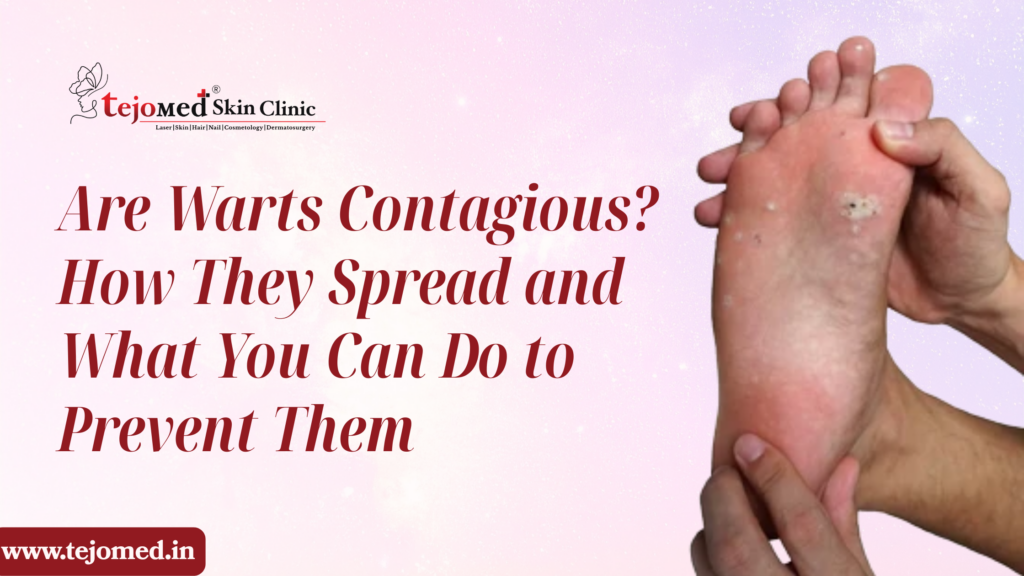
Warts are small, rough skin growths caused by a viral infection. Many people ignore them because they are usually painless. However, warts are contagious and can spread from one part of your body to another or from one person to another. Understanding how they spread and how to prevent them helps you protect your skin and avoid repeated infections.
What Causes Warts?
Warts develop due to the human papillomavirus, also called HPV. The virus enters the body through tiny cuts, cracks, or weak areas in the skin. Once inside, it triggers the rapid growth of skin cells, forming a raised bump. Warts can appear on the hands, feet, face, neck, or other body parts. They may look rough, flat, thick, or thread-like depending on the type.
Are Warts Really Contagious?
Yes, warts are contagious. The virus spreads mainly through direct skin contact. If you touch someone’s wart and then touch your own skin, the virus can transfer. It can also spread through shared items such as towels, socks, shoes, nail cutters, or razors.
Public places like swimming pools, gym showers, and locker rooms increase the risk. Walking barefoot on damp floors allows the virus to enter through small cracks in the feet. Even scratching or shaving over a wart can spread the virus to nearby skin.
Who Is More at Risk?
Children and teenagers often develop warts because their immune systems are still developing. People with weak immunity may also experience frequent or stubborn warts. Nail biting, picking cuticles, and having dry or cracked skin increase the risk because they create openings for the virus to enter.
Different Types of Warts
There are several types of warts, and each spreads in a similar way:
- Common warts: Usually appear on fingers and hands with a rough surface.
- Plantar warts: Grow on the soles of the feet and may cause pain while walking.
- Flat warts: Small and smooth, often appearing in clusters on the face or arms.
- Filiform warts: Thin and thread-like, commonly seen around the mouth or nose.
Although they look different, all types result from viral infection and require proper care.
Simple Steps to Prevent the Spread
Prevention starts with basic hygiene. Wash your hands regularly, especially after touching a wart. Avoid picking, scratching, or biting nails. Cover visible warts with a clean bandage if they are likely to come into contact with others.
Do not share personal items such as towels, socks, footwear, razors, or nail clippers. If you visit public pools or gyms, wear slippers or flip flops. Keep your feet clean and dry, and change socks daily. Moist environments help the virus survive longer.
Following a consistent skin care routine keeps your skin healthy and strong. Cleanse gently and moisturize regularly to prevent cracks or dryness that allows viral entry.
Are Home Remedies Effective?
Some people try home remedies like garlic, vinegar, or over-the-counter acids. While small warts may respond to certain treatments, improper use can irritate healthy skin. Home care does not always remove the virus completely.
If a wart becomes painful, bleeds, changes color, spreads quickly, or does not improve, seek medical advice. Self-treatment without guidance may delay proper care.
When to Seek Professional Treatment
Professional removal is safe and effective. A qualified skin specialist examines the wart and confirms the diagnosis. Treatment options may include cryotherapy to freeze the wart, electrocautery to burn it, laser therapy, or minor surgical removal. Doctors may also prescribe topical medicines to boost the immune response.
Many people delay treatment because warts seem harmless. However, early care reduces the spread and lowers the chance of recurrence. Consulting a dermatologist in Baner ensures accurate diagnosis and proper management.
Parents should guide children not to scratch or pick at warts. Cover the area during sports or group activities. Quick action prevents spreading in schools and homes.
Supporting Immunity and Skin Health
A healthy immune system helps your body fight the virus. Eat a balanced diet rich in fruits, vegetables, and proteins. Get enough sleep and manage stress. While you cannot guarantee complete prevention, strong immunity reduces persistent infections.
If multiple warts appear suddenly or do not respond to basic care, consult a professional. Some skin growths may resemble warts but require different treatment. Visiting the Best Skin Clinic in Baner, Pune gives access to expert care and advanced treatment options.
After removal, follow medical advice carefully. Keep the treated area clean and dry. Avoid scratching and continue your regular skin routine. Report any redness, swelling, or discharge to your doctor promptly.
Final Thoughts
Warts are contagious and spread through direct contact and shared surfaces. Good hygiene, protective footwear, and avoiding skin damage help reduce the risk. Do not ignore warts that persist, spread, or cause pain. Early treatment ensures safe removal and prevents further infection. With awareness and consistent care, you can protect yourself and your family while maintaining healthy skin.
Frequently Asked Questions (FAQs)
Can warts spread from one part of my body to another?
Yes. Scratching, shaving, or picking at a wart can spread the virus to nearby skin.
Are warts dangerous?
Most warts are harmless, but they can spread and cause discomfort. Some may need professional removal.
How long do warts last?
Some warts disappear on their own within months, but others may last for years without treatment.
Can warts come back after treatment?
Yes, recurrence is possible because the virus may remain in the skin. Proper care and follow-up reduce this risk.
Minimal Downtime
Most treatments require little to no recovery time. You can return to your normal routine quickly.